On this page
In 2027, divers seeking extraordinary underwater experiences will find both Komodo and Raja Ampat offering unique attractions. Komodo boasts thrilling drift dives and manta encounters, while Raja Ampat presents biodiversity and lively coral gardens. Choosing between them depends on your diving preferences and seasonal timing.
Komodo National Park: A Marine Wonderland
Established in 1980 and declared a UNESCO World Heritage Site in 1991, Komodo National Park protects a rich marine ecosystem across its three main islands: Komodo, Rinca, and Padar. The park’s waters are a sanctuary for over a thousand fish species, as well as manta rays, sharks, and dolphins. Signature dive sites such as Batu Bolong and Crystal Rock offer divers the chance to witness the incredible ‘fish soup’ phenomenon amidst strong currents and lively marine life. For those seeking an adrenaline rush, the famous Cauldron, also known as Shotgun, provides a high-adrenaline drift dive through the Gili Lawa channel.
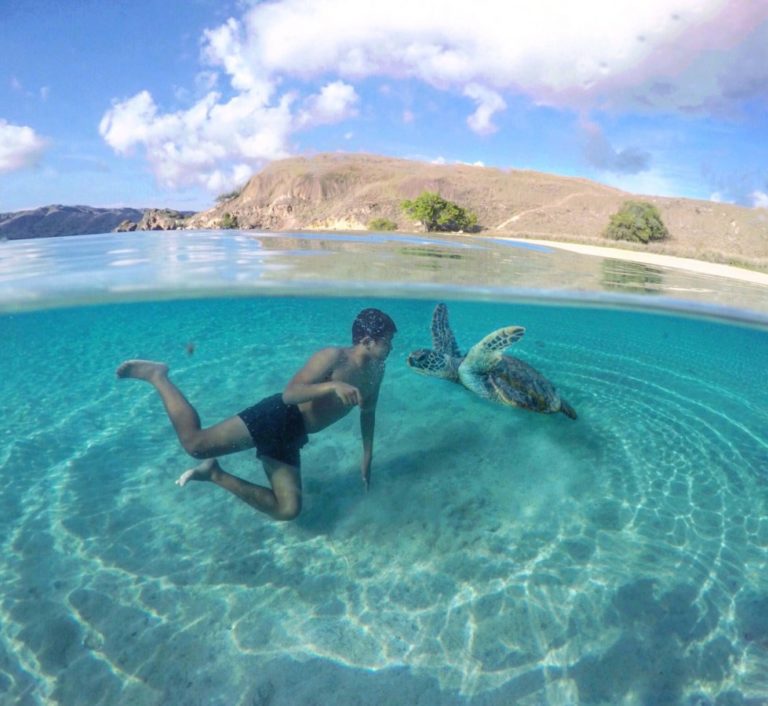
Komodo’s marine diversity is complemented by diverse underwater landscapes. The park’s northern sites, like Castle Rock, are known for pelagic species and exhilarating drift dives. These areas are particularly famous for sightings of Napoleon wrasse, reef sharks, and eagle rays. In contrast, southern sites such as Manta Alley are famous for manta ray aggregations, especially from December to February when water temperatures range between 22–25°C. Komodo’s varied conditions make it a versatile choice for divers seeking both macro and pelagic life. The region also offers calm check-out dives in places like Siaba Besar, home to an abundance of hawksbill turtles.
For the Raja Ampat side of the comparison, the Raja Ampat luxury cruise departures from Komodo Luxury show the typical routes and seasons.
Raja Ampat: The Biodiversity Hub
Raja Ampat, located in Indonesia’s West Papua province, is often hailed as the epicenter of marine biodiversity. Its archipelago of over 1,500 small islands offers an variety of marine species, with more than 1,300 fish species and 550 coral species recorded. Dive sites like Cape Kri provide the opportunity to see an astonishing array of fish species in a single dive, while the Misool area features colorful soft corals and massive schools of fish. This makes Raja Ampat a mecca for marine biologists and underwater photographers alike.
The nutrient-rich waters of Raja Ampat support an intricate food web, attracting large marine life such as manta rays and whale sharks. The best diving season in Raja Ampat is typically from October to April, when visibility is excellent, and the sea is calm. During this period, water temperatures generally range from 27 to 30°C, making it ideal for divers to explore the lively coral gardens. The region’s remoteness and stunningly diverse marine life make it a bucket-list destination for avid divers, despite the more complex travel logistics required to reach this region.
Travel Logistics: Getting There
Reaching Komodo is straightforward via Komodo Airport (IATA: LBJ) in Labuan Bajo, Flores. Direct flights from Denpasar, Bali take approximately 1 to 1.5 hours, while flights from Jakarta last around 2 to 2.5 hours. The ease of access makes Komodo a convenient choice for those with limited time. Labuan Bajo is not just a hub for diving but also a lively town where visitors can enjoy local cuisine at restaurants like MadeInItaly and Bajo Bakery, providing a perfect end to a day of diving.
Raja Ampat, however, requires a bit more planning. The journey usually involves a flight to Sorong Airport (IATA: SOQ), the access point to the islands. From Sorong, travelers take a ferry to Waisai, the capital of Raja Ampat. Despite the additional travel time, which can take a full day, the destination’s unique offerings are worth the effort for those seeking an diving experience. The remoteness of Raja Ampat ensures notable dive sites, largely untouched by mass tourism.
Costs and Liveaboard Options
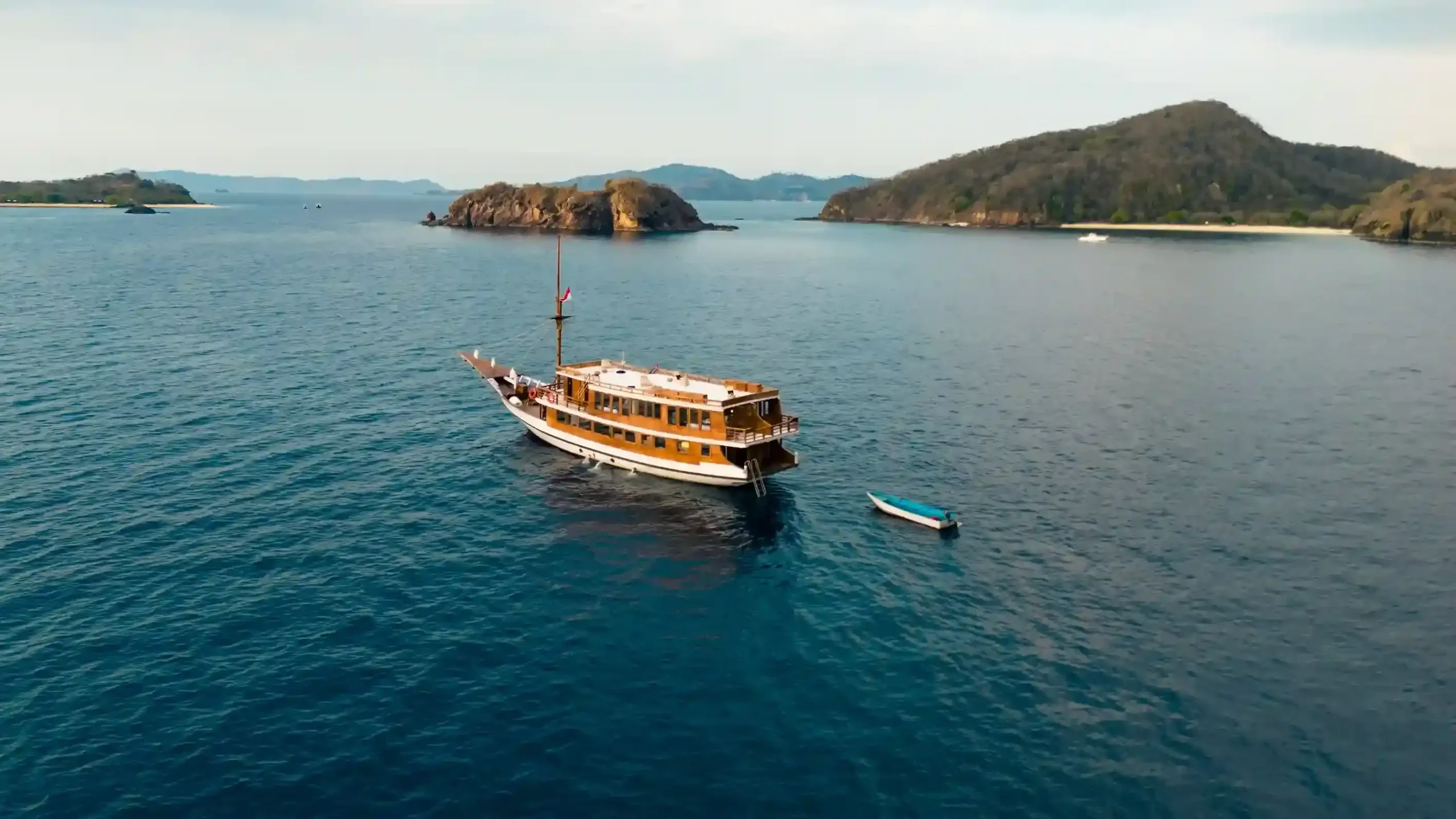
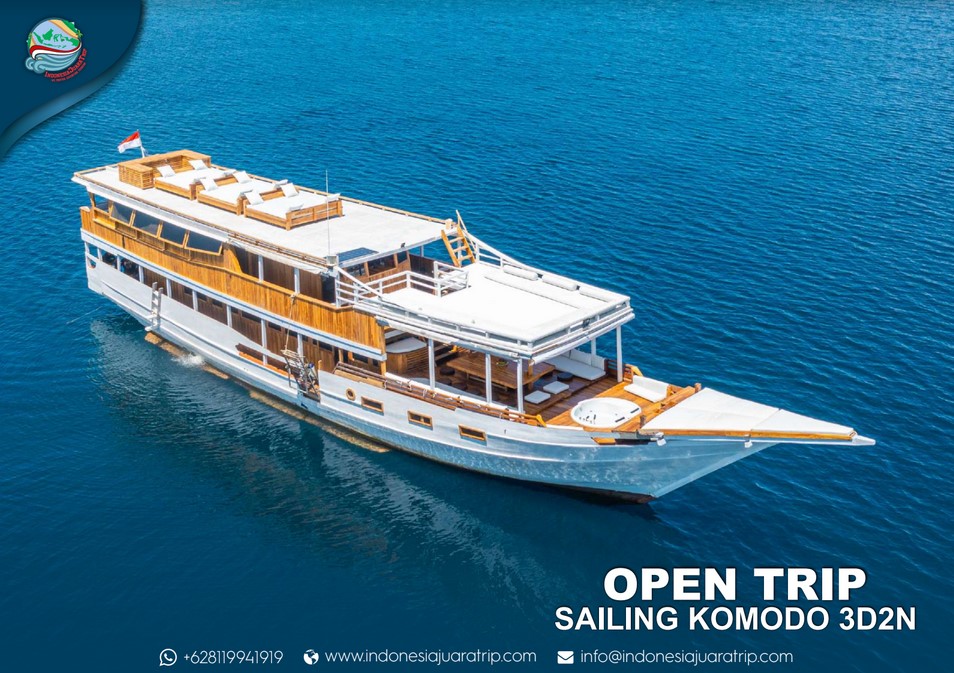
Komodo offers a range of liveaboard options to suit various budgets. Private luxury phinisi charters range from approximately USD 1,800 to 3,500 per night, accommodating 8 to 12 guests. For top-end designer vessels, prices can rise to USD 4,000 to 7,000+ per night. Shared open-trip cruises are available for 3 days and 2 nights, costing between USD 200 and 350 per person. Luxury liveaboards typically cost USD 350 to 700 per person per night. These prices generally include meals, accommodation, and diving, providing a comprehensive package for travelers.
Raja Ampat’s liveaboard prices are generally higher due to the remote location and the premium on biodiversity. Luxury liveaboards can cost anywhere from USD 300 to 600 per person per night. While day trips are less common due to the vast distances between dive sites, they offer a way to experience the region’s underwater wonders without committing to a full liveaboard trip. The higher costs are offset by the opportunity to dive some of the world’s most untouched reefs and encounter marine life in its purest form.
Diving Conditions and Marine Life
Komodo’s diverse dive sites offer unique experiences tailored to different skill levels and interests. The best conditions for diving in North Komodo are during the dry season from April to November, with visibility up to 30 meters and water temperatures ranging from 26 to 29°C. The southern sites, such as Manta Alley, offer peak manta sightings during the plankton-rich months of December to February. Divers in these areas can often witness the fascinating behavior of mantas as they circle cleaning stations, unbothered by human presence.
Raja Ampat’s diving is characterized by its rich coral gardens and vast schools of fish. The region’s diverse topography includes walls, pinnacles, and sloping reefs. Peak diving conditions are from October to April, with water temperatures generally ranging from 27 to 30°C. The nutrient-rich currents support a lively ecosystem, making it a photographer’s region. Encounters with rare species like the wobbegong shark or the elusive dugong add to the allure of diving in Raja Ampat.
Choosing the Right Destination for You
Deciding between a diving trip to Komodo or Raja Ampat largely depends on your specific interests and travel preferences. Komodo is ideal for those seeking a mix of high-adrenaline drift dives and encounters with pelagic species. Its accessibility and range of budget-friendly options also make it suitable for shorter trips. The area’s well-established tourism infrastructure, including a variety of accommodations from budget hostels to luxury resorts, ensures a comfortable stay.
Raja Ampat, on the other hand, is perfect for those who prioritize biodiversity and are willing to invest more time in travel. Its remote location and marine life make it an exceptional choice for seasoned divers looking for a more exclusive experience. The region’s commitment to conservation, including marine protected areas and sustainable tourism practices, ensures that its natural beauty remains for future generations. Ultimately, both destinations offer unique underwater experiences that are sure to leave a lasting impression.
Additional Activities and Attractions
Beyond diving, both Komodo and Raja Ampat offer a variety of activities to enrich your adventure. In Komodo, visitors can trek to see the famous Komodo dragons in their natural habitat on Rinca or Komodo Island. These treks provide an opportunity to explore the rugged terrain and witness remarkable views of the surrounding islands. The entry fee to Komodo National Park for 2027 is approximately USD 10 per person, making it an affordable addition to your diving itinerary.
Raja Ampat, known for its striking landscapes above water as well, invites visitors to explore its lush jungle interiors and hidden waterfalls. Kayaking and bird watching are popular activities, with the chance to spot rare bird species like the Wilson’s bird-of-region. The Wayag Islands, with their iconic karst formations, offer striking viewpoints that require a hike but reward with panoramic vistas of the turquoise waters and coral reefs below.
FAQs
Q? When is the best time to dive in Komodo? A: The best time to dive in Komodo is during the dry season from April to November, offering the clearest visibility. Manta ray encounters peak from December to February in the southern sites.
Q? How do I reach Raja Ampat? A: To reach Raja Ampat, fly to Sorong Airport (IATA: SOQ) and take a ferry to Waisai. From there, you can arrange transfers to your liveaboard or dive resort.
Q? What marine life can I expect to see in Raja Ampat? A: Raja Ampat is renowned for its biodiversity, home to over 1,300 fish species and lively coral gardens. Divers can expect to see manta rays, whale sharks, and colorful reef fish.
For wider arrangements, our partner komodoboatcharter can coordinate end to end.
See also: Komodo Manta Ray Season 2027: Where & When to Swim with Mantas, Komodo Dry vs Wet Season: Visibility, Water Temp & Crowds Compared · Home.