On this page
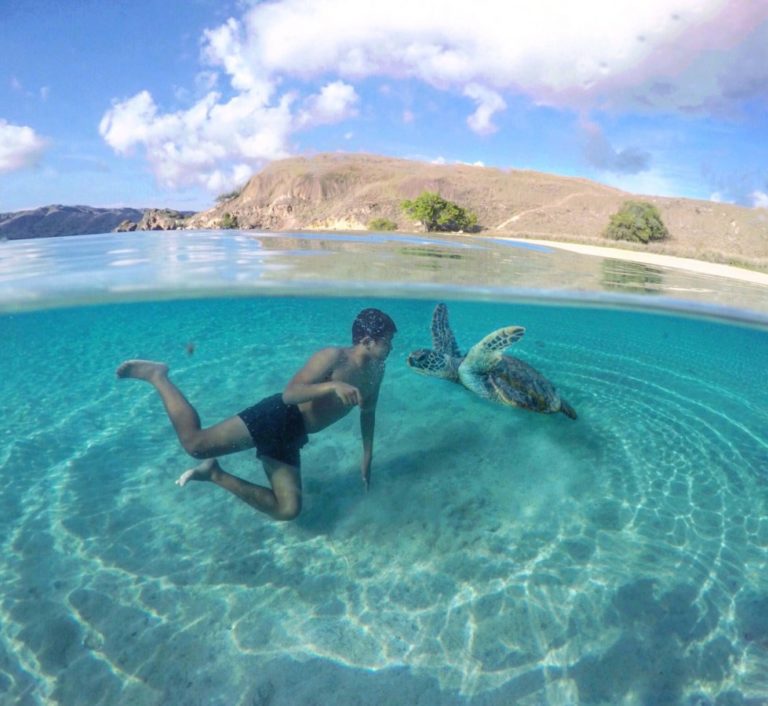
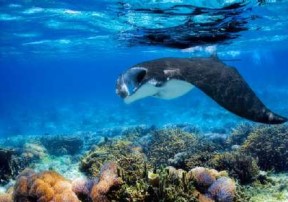
Experience the thrill of swimming with manta rays during the peak season in Komodo National Park in 2027. From December to February, the southern waters of this UNESCO World Heritage Site transform into a hotspot for manta rays, providing a once-in-a-lifetime opportunity to observe these grand creatures up close.
Introduction to Komodo National Park
Komodo National Park, established in 1980 and recognized as a UNESCO World Heritage Site in 1991, is a notable trove of biodiversity. Located in Indonesia, the park includes the islands of Komodo, Rinca, and Padar, along with a vast marine area that provides a habitat for over 1,000 species of fish, manta rays, sharks, and dolphins. This extraordinary area is renowned for its rich marine life and complex ecosystems.
With its diverse habitats, ranging from dry savannahs to flourishing coral reefs, Komodo National Park offers opportunities for snorkeling, diving, and wildlife observation. The park’s signature dive sites, such as Batu Bolong, Castle Rock, and Manta Point, are among the most sought-after locations for underwater adventurers seeking to explore the lively marine world. The landscape above water is equally captivating, with rugged hills and pink sand beaches offering a dramatic backdrop to the turquoise waters.
Getting to Komodo National Park
The primary access point to Komodo National Park is Komodo Airport (IATA: LBJ), located in Labuan Bajo on the island of Flores. This small but busy airport connects visitors to the park via direct flights from major Indonesian hubs. Travellers from Denpasar Bali (DPS) can reach Labuan Bajo in approximately 1 to 1.5 hours, while a direct flight from Jakarta (CGK) takes about 2 to 2.5 hours.
Upon arriving in Labuan Bajo, visitors can start on various tours and cruises that explore the park’s islands and marine environments. Options range from budget-friendly open-trip cruises to luxurious private charters, each offering unique experiences and access to the park’s numerous attractions. Whether you’re traveling solo or with a group, there are tailored options to suit your preferences and budget. Most tours include visits to iconic locations like the Pink Beach and hikes to view the Komodo dragons in their natural habitat.
Dive Sites and Manta Ray Hotspots
Komodo National Park is celebrated for its exceptional dive sites, each offering distinct experiences and marine life. Batu Bolong is a renowned dive destination, often referred to as a ‘fish soup’ due to its dense populations of fish, including Napoleon wrasse and reef sharks. For those seeking thrill, Castle Rock and Crystal Rock in North Komodo present strong currents that attract pelagics, eagle rays, and white-tip sharks.
Manta Point, also known as Karang Makassar, is one of the premier locations for encountering manta rays. This site serves as a cleaning and feeding station where mantas can be seen gliding gracefully through the water. Another notable site, Manta Alley, located in the southern part of the park, is famed for its intense manta ray aggregation during the peak season from December to February. The Cauldron, also called Shotgun, offers a high-adrenaline drift dive through the Gili Lawa channel, providing a thrilling experience for adventurous divers.
Best Time to Visit for Manta Rays
The prime time for observing manta rays in Komodo National Park is during the plankton-rich months of December to February. During this period, the southern waters, particularly around Manta Alley, become a busy scene of manta activity, creating optimal conditions for underwater encounters. The cool water temperatures, ranging from 22 to 25°C, attract manta rays in large numbers.
While mantas can be spotted year-round, the dry season from April to November is also popular among divers for its clear visibility and warmer waters, which range from 26 to 29°C in central regions. Both seasons offer diverse experiences: the dry months are perfect for lively reef dives, while the wet season promises manta-centric adventures. Additionally, the dry season provides excellent conditions for trekking and exploring the park’s terrestrial attractions.
Accommodation and Cruise Options
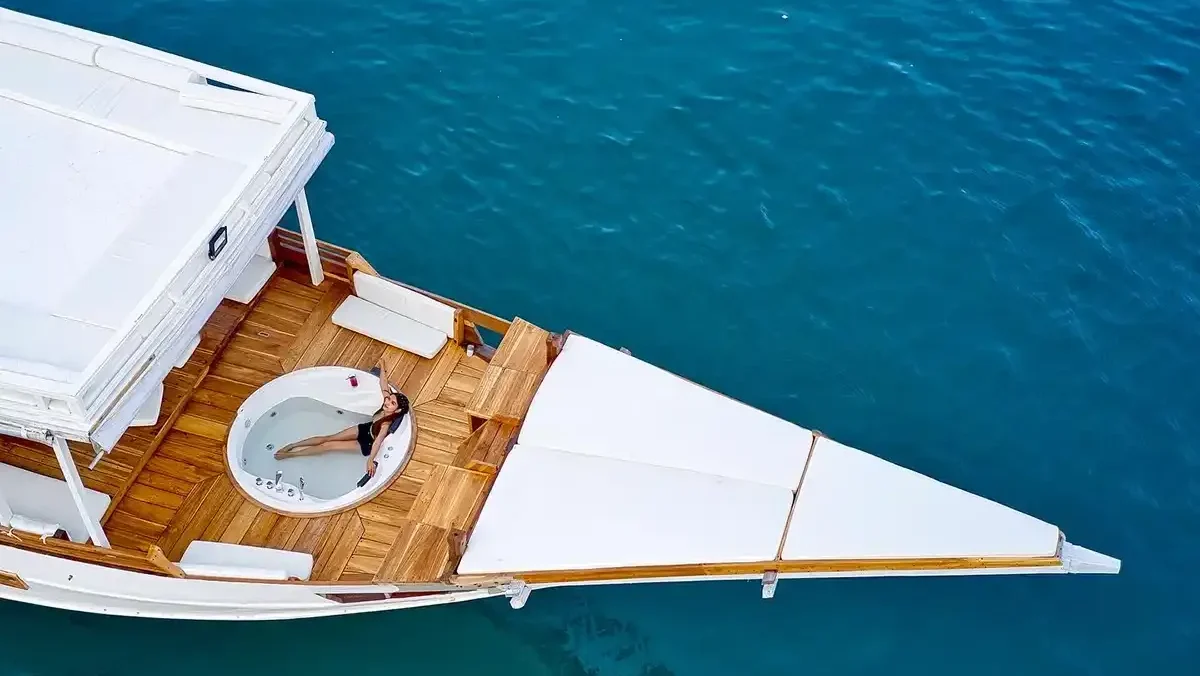
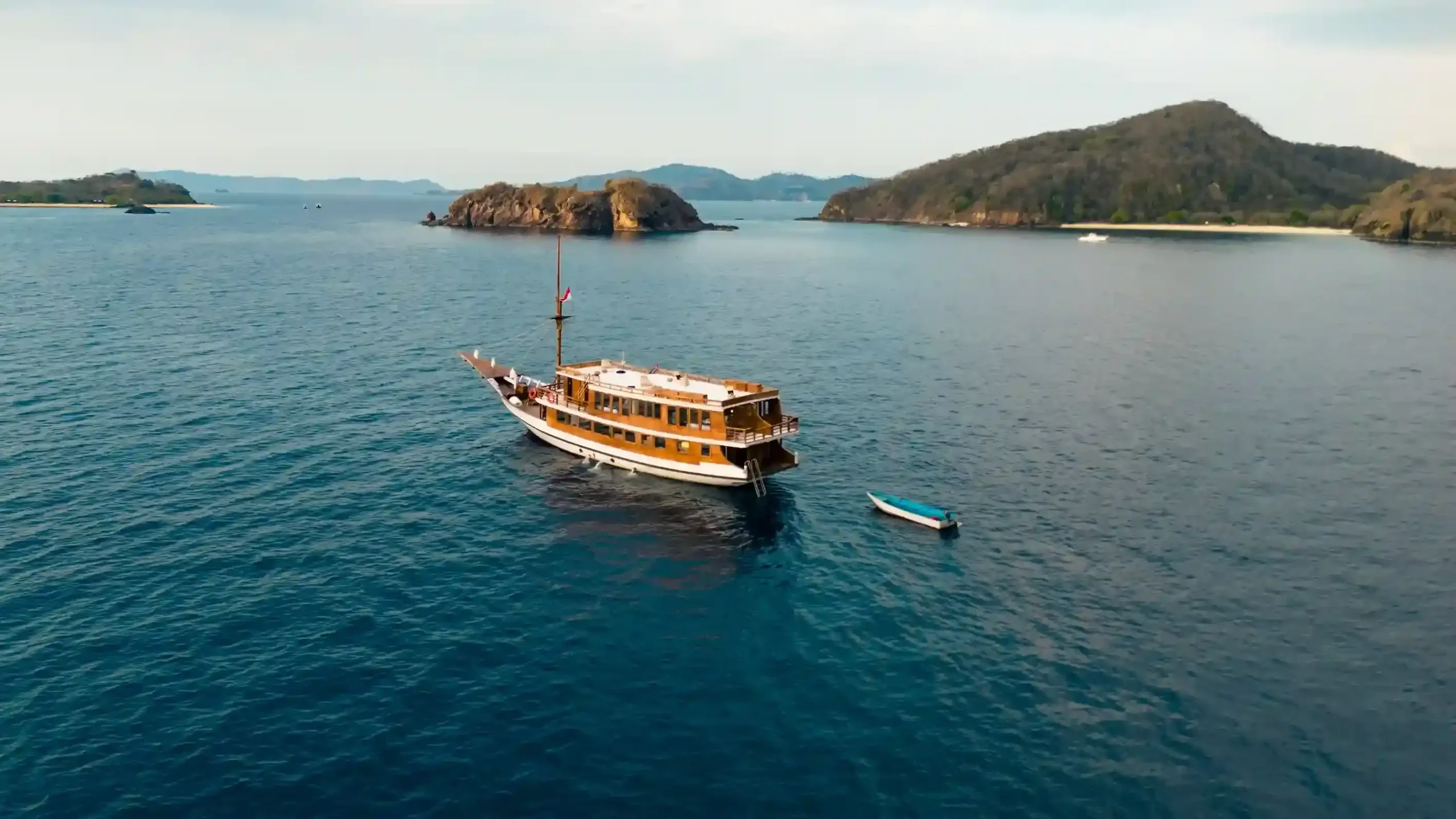
Visitors to Komodo National Park have a range of accommodation and cruise options, allowing them to tailor their experience according to their preferences. Private luxury phinisi charters are available, with rates ranging from approximately USD 1,800 to 3,500 per night for 8 to 12 guests, providing an exclusive and customized journey through the park. These charters often include amenities such as private chefs, personalized itineraries, and spacious cabins.
For those seeking more economical options, open-trip 3-day, 2-night cruises are available from USD 200 to 350 per person. These shared cruises provide a sociable and budget-friendly way to explore Komodo’s highlights. Alternatively, luxury liveaboards offer a more upscale experience, with rates between USD 350 and 700 per person per night, ensuring comfort and premium amenities throughout the voyage. Speedboat day trips are also available, priced between USD 80 to 150 per person, perfect for short visits.
Exploring Komodo’s Natural Wonders
Beyond the underwater marvels, Komodo National Park offers a wealth of natural wonders waiting to be explored. Trekking on Komodo Island provides a unique opportunity to see the legendary Komodo dragons, the largest living species of lizard, in their native habitat. These treks often traverse through rugged terrain and offer panoramic views of the surrounding islands.
The park is also home to the remarkable Pink Beach, where the sand takes on a rosy hue due to the presence of red coral fragments. This picturesque location is ideal for relaxation, snorkeling, and photography. Additionally, visitors can explore the lively coral gardens and rich marine biodiversity of sites like Cannibal Rock near Rinca, known for macro photography opportunities featuring pygmy seahorses and nudibranchs.
Planning Your Komodo Adventure in 2027
When planning a trip to Komodo National Park in 2027, it’s essential to consider the timing and type of experience you wish to have. The peak manta season from December to February is ideal for those eager to witness the incredible spectacle of manta ray congregations. For divers preferring clearer water conditions, the dry season is a suitable choice.
To maximize your adventure, consider combining diving with other activities such as trekking on Komodo Island to see the famous Komodo dragons or visiting the picturesque Pink Beach for a unique leisure experience. Advanced bookings are recommended, especially during peak periods, to secure your preferred travel dates and accommodation. Planning ahead also allows you to explore additional experiences such as cultural tours in nearby Flores and visits to local markets.
FAQs
Q? What is the best time to see manta rays in Komodo National Park? A: The best time to see manta rays is during the peak season from December to February, when the southern waters are rich in plankton, attracting large numbers of mantas.
Q? How do I get to Komodo National Park? A: The main access point to Komodo National Park is Komodo Airport in Labuan Bajo, Flores. Direct flights from Denpasar Bali and Jakarta connect travelers to this region, followed by a boat ride to the park.
Q? What are the costs associated with visiting Komodo National Park? A: Costs vary depending on your choice of accommodation and activities. Options range from budget-friendly shared cruises starting at USD 200 to luxury private charters costing up to USD 7,000+ per night.
For wider arrangements, our partner komodoboatcharter can coordinate end to end.
See also: Best Time to Visit Komodo in 2027: Month-by-Month Diving & Cruise Guide · Home.