On this page
The 4D3N Komodo cruise adds one night and one sailing day to the standard route, which is what makes south Komodo and Manta Alley reachable when the weather allows. Whole-boat charter is USD 12,800 for 1–8 guests, USD 14,200 for 9–16 and USD 15,600 for 17–24.
Why a fourth day changes the map
Three days in Komodo is a corridor trip. You run from Labuan Bajo out to the central islands and back along broadly the same line, and the schedule is tight enough that one bad morning — wind on the Padar anchorage, a long ranger queue at Loh Liang — costs you a headline site with no way to recover it.
The fourth day changes that in two specific ways. It gives the boat a spare day to reschedule anything the weather takes away, and it extends the reachable range far enough south that Manta Alley and the southern anchorages come into play. Those are not marketing distinctions; they are distance and daylight arithmetic on a hull doing 7–9 knots.
The 4D3N route with sailing hours
| Day | Anchorages | Approximate sailing | What the day is for |
|---|---|---|---|
| Day 1 | Labuan Bajo → Kelor → Manjarite → Kalong | about 2.5–3 hours total | Short legs, first snorkel, flying-fox exodus at dusk |
| Day 2 | Padar → Pink Beach → Komodo or Rinca | about 5–6 hours including the pre-dawn run | The headline day: ridge sunrise, pink sand, dragons |
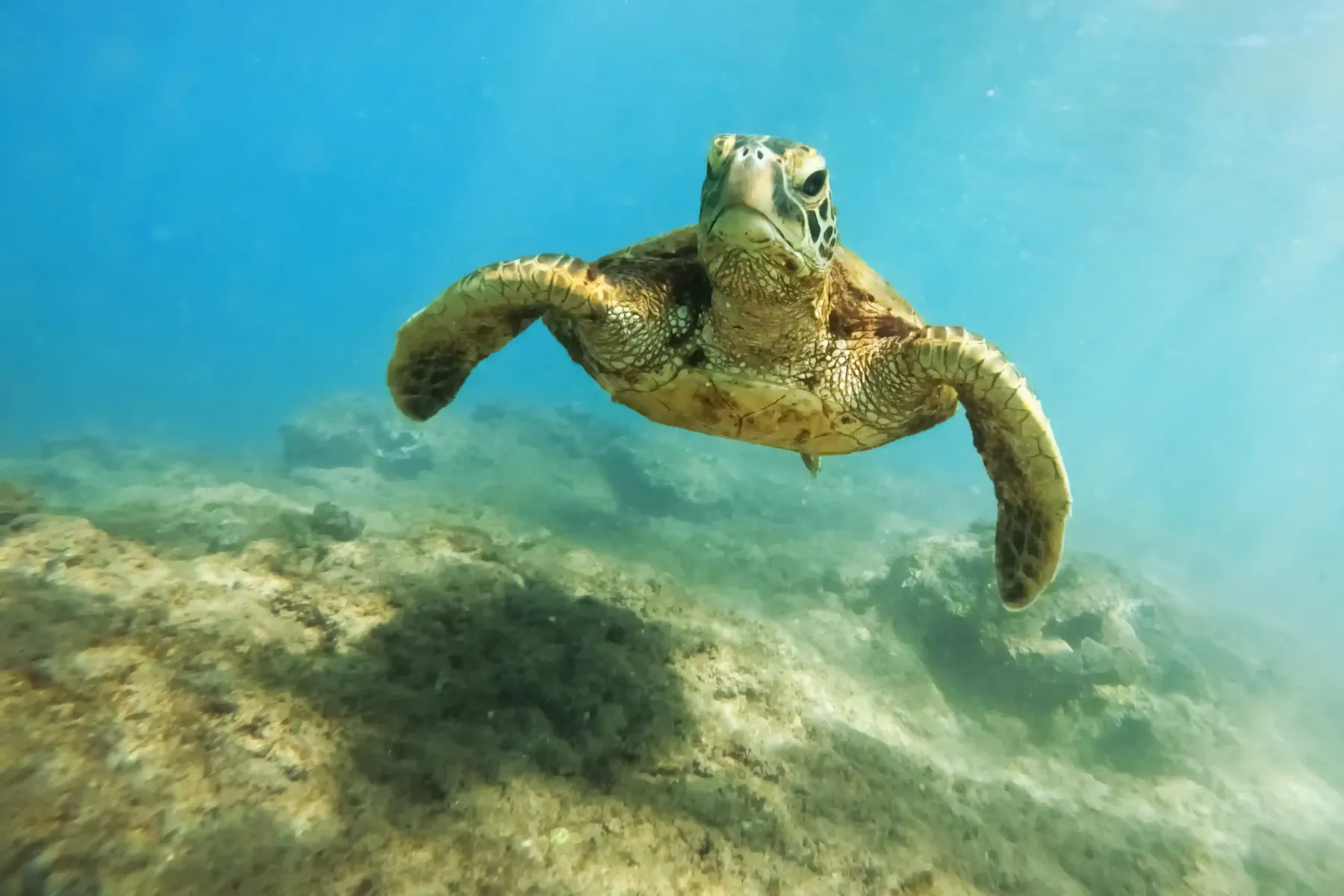
| Day 3 | Manta Point / Karang Makassar → Taka Makassar → Siaba Besar | about 2–3 hours | Water day — mantas, sandbar, turtles in a sheltered bay |
| Day 4 | Kanawa (or Sebayur / Angel) → Labuan Bajo | about 2–2.5 hours | Final reef, unhurried return by early afternoon |
On charters that push south, day 3 is replaced by a run toward Manta Alley and the southern anchorages, with day 4 absorbing the return. This is only offered when the forecast supports it.
The pre-dawn Kalong-to-Padar run is the longest single leg on either itinerary at roughly three to four hours, and it is deliberately done overnight so that nobody spends a daylight morning watching the horizon. Everything else on the route is between 20 minutes and 1.5 hours.
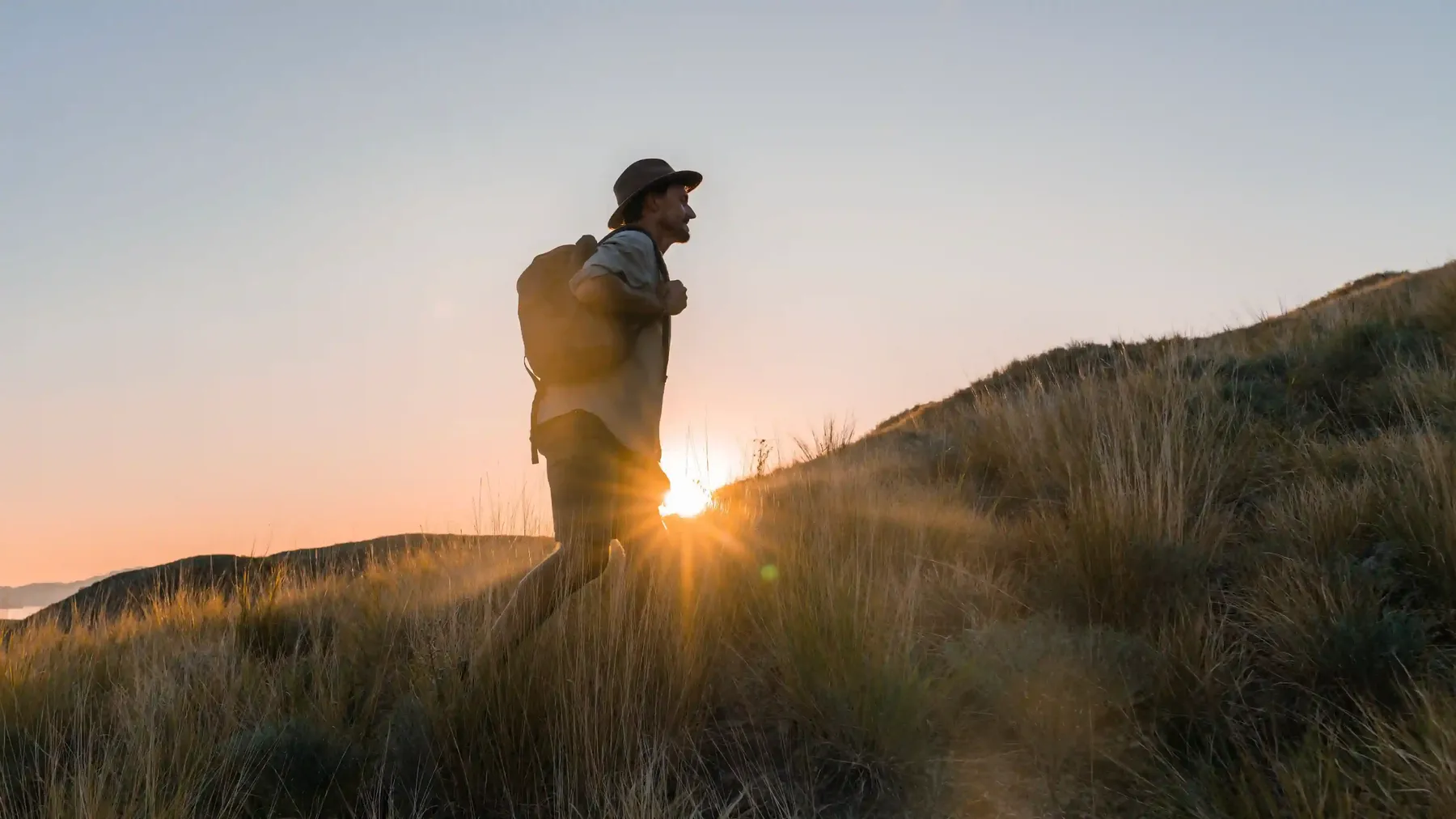
South Komodo: what it is and what it is not
The south coast of Komodo Island faces the Indian Ocean, and that single fact governs everything about it. Upwelling drags cold, plankton-rich water up from depth, which is why the mantas congregate and why the diving there has a reputation the northern sites do not. It is also why the water is colder and murkier, and why the coast is unworkable more often than not.
| Condition | North and central park | South Komodo |
|---|---|---|
| Water temperature, November–April | 27–29 °C | 23–26 °C |
| Water temperature, May–October | 26–28 °C | 21–25 °C at peak upwelling |
| Visibility | 15–30 m | 10–20 m |
| Manta density | Present year-round at Karang Makassar | Highest in the park at Manta Alley; 20–50+ reported on good days |
| Swell exposure | Sheltered by the island chain | Directly exposed to Indian Ocean swell |
| Suitable for | All levels, including first-time snorkellers | Confident swimmers and intermediate-plus divers only |
We say this plainly because it affects your booking decision: if your priority is warm, clear water and easy snorkelling, the fourth day is better spent on Siaba, Kanawa and Sebayur than on a southern push. If your priority is mantas in numbers, the south is the only place that delivers them, and April to June or September to November are the windows to attempt it.
3D2N against 4D3N, side by side
| Point of difference | 3D2N | 4D3N |
|---|---|---|
| Nights at anchor | 2 | 3 |
| Charter price, 1–8 guests | USD 8,500 | USD 12,800 |
| Charter price, 9–16 guests | USD 9,500 | USD 14,200 |
| Charter price, 17–24 guests | USD 10,400 | USD 15,600 |
| Typical anchorages visited | 7–8 | 9–11 |
| South Komodo reachable | No | Possible, weather-dependent |
| Buffer for weather or a missed sunrise | None | One full day |
| Best months | April–June, September–November | Any month the boat runs; essential in July–August wind |
If neither shape fits, the broader network of Komodo itineraries and departure dates is catalogued at komodotrip.com, including formats we do not run ourselves.
Seasons and what they do to this route
| Window | Sea state | What it means on board | Rate band |
|---|---|---|---|
| April–June | Calmest water of the year, best visibility | Shortest crossings, highest chance of every stop being reached | Shoulder |
| July–August | Good visibility, windy in the open straits and around Padar | Some swell on the Padar run; deck dining may move indoors | Peak — book 3–6 months ahead |
| September–November | Calm again, excellent visibility | The quietest premium window; best value-to-conditions ratio | Shoulder |
| December–March | Monsoon, roughest sea, some vessels in maintenance | Higher chance of itinerary changes; peak manta density | Low — manta season, not “bad” season |
Best for
Best for: travellers arriving in the windy July–August period who need a buffer day; photographers and manta-focused guests; private groups who want to shape the route rather than follow it; anyone who has flown a long way and does not want a single weather morning to define the trip. Skip the fourth day if: your total time in Flores is under five days, or you are on a tight budget and would rather spend the difference on a better cabin.
Frequently asked questions
How much more does the 4D3N cost than the 3D2N?
On a whole-boat charter the step is USD 4,300 for a small group: 3D2N is USD 8,500 for 1-8 guests, 4D3N is USD 12,800. For 9-16 guests it is USD 9,500 against USD 14,200, and for 17-24 it is USD 10,400 against USD 15,600. That buys one extra night and one full extra sailing day.
What does the fourth day actually add?
Range. Three days keeps you in the central corridor between Labuan Bajo and Komodo Island. A fourth day gives the boat time to work south toward Manta Alley and the southern anchorages, or to add Siaba, Sebayur and Angel to the return leg without cutting the Padar morning short.
Is south Komodo guaranteed on a 4D3N?
No, and any operator who guarantees it is overselling. The southern coast is exposed to Indian Ocean swell and is regularly unworkable, particularly December to March and in the windy July-August period. The fourth day makes it possible, not certain.
What is the water like in south Komodo?
Colder and less clear than the north. Upwelling from the Indian Ocean drops temperatures to roughly 21-25 degrees Celsius at the June-September peak, against 26-29 degrees in the north and centre, with visibility around 10-20 metres against 15-30 metres.
Why do people go south at all if conditions are worse?
Manta density. Manta Alley in the south is the highest-density manta site in the park, with reports of 20 to 50-plus animals on a good day. Karang Makassar in the centre has mantas year-round but rarely in those numbers.
Which months suit a 4D3N best?
April to June and September to November. Those are the calmest windows with the best visibility, and they are shoulder-rate months rather than peak. July and August have good visibility but the open straits get windy, which is precisely when the extra buffer day earns its cost.
Can we design our own 4D3N route?
On a private charter, yes, within the limits of tide, distance and park regulation. Menu, wake-up times, anchorages and the balance between trekking and water time are all adjustable. Shared departures follow the published route.
Booking & enquiries
Four-night and five-night charters are quoted on the same tier structure and are the usual choice for private groups in July and August. Naturalia Cruise is operated and marketed by Komodo Luxury (part of Juara Holding Group, working in Labuan Bajo since 2015). Reservations, cabin availability and written quotations go through the Komodo Luxury reservations desk: WhatsApp +628113823875 or sales@komodoluxury.com. Payment terms are published and unchanged: 50% deposit to hold the date, balance due 30 days before departure, full payment if you book inside 30 days. The deposit is non-refundable on cancellation.
Where these numbers come from
Vessel dimensions, cabin layout, engine and generator data, charter tiers and cabin rates on this page are the figures published by the operator, Komodo Luxury, on its Naturalia charter listing. National park tariffs are taken from PP No. 36 Tahun 2024 as socialised by Balai Taman Nasional Komodo. Sunrise and sunset times are computed for Padar Island (8°39′S, 119°35′E) in WITA (UTC+8) and are accurate to about three minutes. Sailing times between anchorages are operational ranges, not fixed schedules — they move with tide, wind and ranger queues, and we write them as ranges for that reason. Rates are quoted for the 2027 season and were last reviewed on 1 August 2026; always confirm the current rate in writing before transferring a deposit.