On this page
Experience macro diving at Cannibal Rock in South Komodo, a site renowned for its incredible diversity of marine life. With pygmy seahorses, frogfish, and lively nudibranchs, this region promises divers an exceptional underwater adventure within Komodo National Park, a UNESCO World Heritage Site.
Komodo National Park: A Marine Biodiversity
Established in 1980 and recognized as a UNESCO World Heritage Site in 1991, Komodo National Park safeguards a vast expanse of biodiversity. The park encompasses the main islands of Komodo, Rinca, and Padar, along with an extensive marine area. It is home to over 1,000 species of fish, numerous manta rays, sharks, and dolphins.
Komodo’s marine ecosystems are a diver’s dream, featuring everything from lively coral gardens to deep sea pinnacles. Signature dive sites include Batu Bolong, known for its schooling fish and reef sharks, and the thrilling drift dive at The Cauldron. However, it is the macro life at Cannibal Rock that sets South Komodo apart from other diving destinations. Here, the intricate underwater landscapes provide not only fascinating visuals but also critical habitats for various marine species.
The importance of protecting such biodiversity cannot be overstated, as it ensures the sustainability and health of these marine environments. The park’s establishment has played a crucial role in the conservation of endangered species like the Komodo dragon and various marine creatures, making it both a natural wonder and a vital ecological sanctuary.
Getting to Komodo: Flights and Access
The primary entry point to Komodo National Park is through Komodo Airport (IATA: LBJ) located in Labuan Bajo, Flores. Travelers can reach Labuan Bajo via direct flights from Denpasar, Bali, which take about 1 to 1.5 hours. Alternatively, flights from Jakarta take approximately 2 to 2.5 hours.
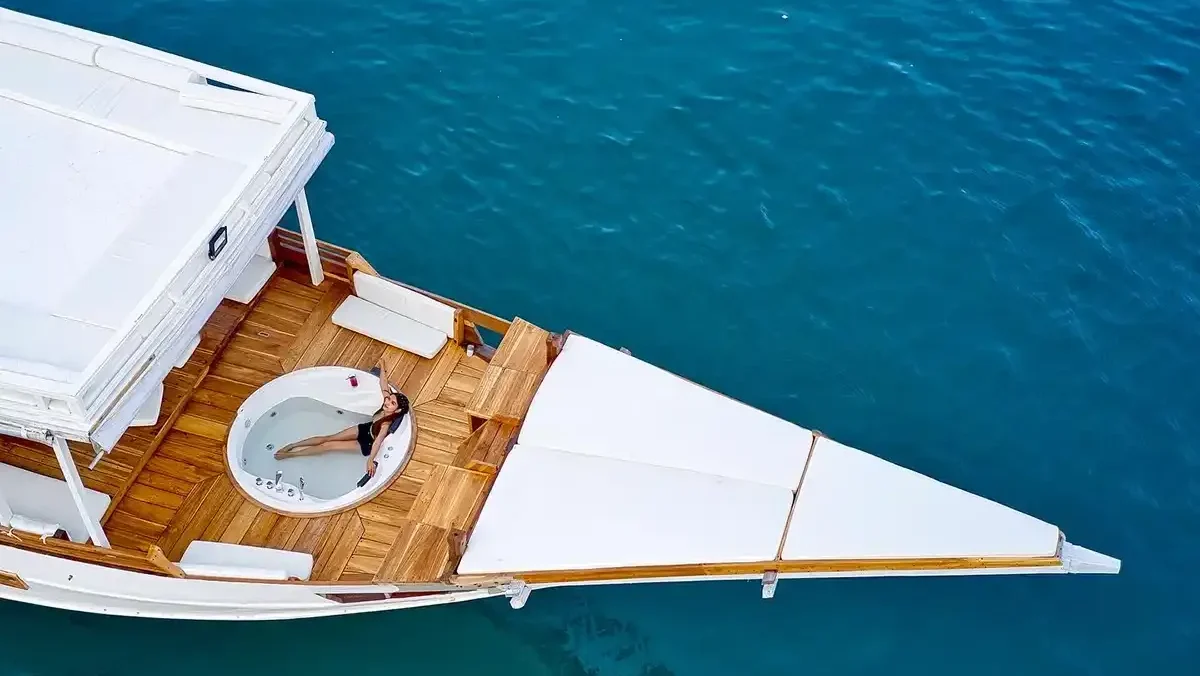
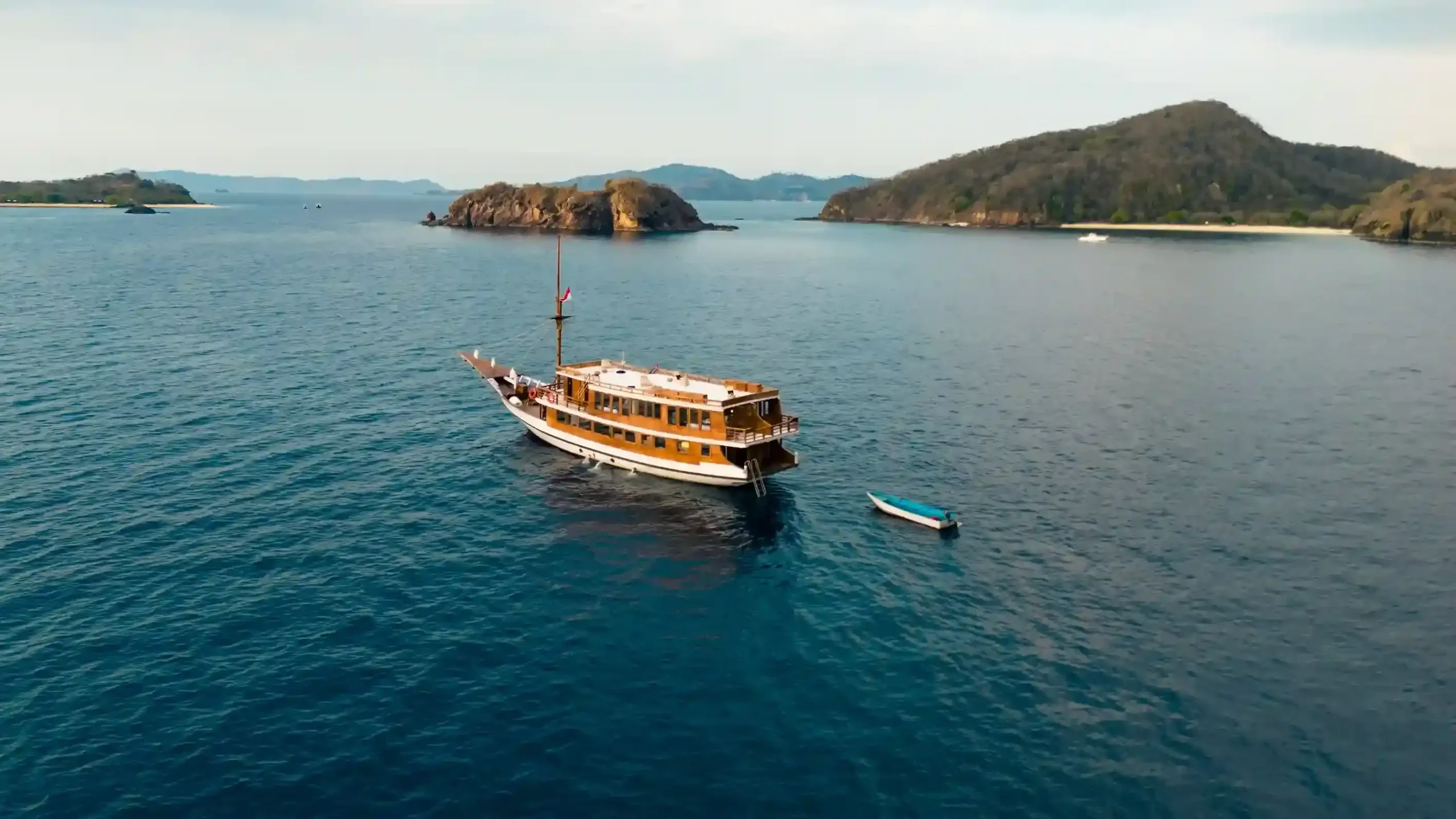
Once in Labuan Bajo, visitors have various options for exploring the park. These include private phinisi charters, luxury liveaboards, and speedboat day trips, each offering unique ways to explore the diverse marine and terrestrial environments of the park. The choice of transport largely depends on budget and the desired level of comfort and exclusivity. Luxury travelers often opt for private phinisi charters, enjoying personalized itineraries and gourmet dining, while budget-conscious adventurers might prefer shared cruises to maximize value.
Labuan Bajo itself has grown into a busy hub, with thriving industries catering to tourists. Hotels range from backpacker hostels to five-star resorts, and a burgeoning culinary scene offers everything from local Indonesian fare to international cuisine. The town serves as a perfect base for both pre- and post-dive exploration.
Cannibal Rock: A Macro Diving Haven
Located near Rinca Island, Cannibal Rock is hailed as one of the richest macro diving spots globally. The site is a haven for macro photographers and enthusiasts eager to discover the minute wonders of the underwater world. With water temperatures ranging from 22–25°C, the conditions are perfect for observing unique species.
Divers can expect encounters with pygmy seahorses, frogfish, and an array of colorful nudibranchs. The rock itself is covered in soft corals and sea fans, providing an ideal habitat for these critters. The combination of nutrient-rich waters and diverse habitats contributes to the area’s immense biodiversity, making every dive at Cannibal Rock a notable trove of discovery.
Beyond its striking biodiversity, the site offers educational value as well. Many dive operators incorporate conservation education into their trips, emphasizing the importance of protecting these fragile ecosystems. This approach not only enhances the diving experience but also fosters a deeper appreciation and awareness amongst divers about the marine environment.
Optimal Diving Seasons in Komodo
The best time to explore the waters of Komodo is during the dry season from April to November. During this period, divers benefit from the clearest visibility, sometimes reaching up to 30 meters (98 feet) in North Komodo, with water temperatures ranging from 26–29°C in central areas.
While the dry season is ideal for clear water diving, the months from December to February are renowned for peak manta ray sightings. The southern waters, particularly around Manta Alley and Karang Makassar, become rich in plankton, drawing in large numbers of mantas. This period offers a unique opportunity to witness these graceful creatures in large aggregations.
The annual fluctuations in water conditions and marine life make planning a Komodo diving trip an adventure in itself. Divers eager to spot different species plan their visits around these seasonal changes, ensuring they experience the park’s underwater marvels at their peak. Each season offers its own set of wonders, making Komodo a year-round diving destination.
Komodo Diving Options and Pricing
Prices for diving trips in Komodo can vary significantly depending on the type of experience sought. Private luxury phinisi charters range from approximately USD 1,800 to 3,500 per night for groups of 8–12 guests. For those seeking a high-end experience, top-tier designer vessels might cost USD 4,000 to 7,000 or more per night.
Shared open-trip cruises typically span 3 days and 2 nights, with costs around USD 200 to 350 per person. For a more exclusive adventure, luxury liveaboard experiences are priced between USD 350 to 700 per person per night. Day trips via speedboat are more budget-friendly options, priced between USD 80 to 150 per person.
The diversity of options makes Komodo accessible to a wide range of travelers. From budget-conscious backpackers to luxury-seeking families, there is an option to suit every preference and financial plan. Understanding the costs involved and what each package offers is crucial for selecting the best fitting adventure.
Signature Dive Sites in Komodo National Park
Komodo National Park boasts an array of dive sites, each offering unique experiences. Batu Bolong is famous for its ‘fish soup’ effect, where divers are surrounded by schools of fish, along with encounters with Napoleon wrasse and reef sharks.
The northern pinnacles, Castle Rock and Crystal Rock, present challenging dives with strong currents, attracting pelagic species such as eagle rays and white-tip sharks. The Cauldron offers an exhilarating drift dive through the Gili Lawa channel, while Manta Point and Manta Alley are renowned for manta ray interactions. Siaba Besar provides a more relaxed dive environment, ideal for spotting hawksbill turtles.
In addition to these sites, many divers also explore the rich reef walls of Tatawa Besar and the lively coral gardens of Pink Beach. Each site within Komodo National Park brings a unique blend of marine life, geological formations, and visual splendor, promising an memorable dive experience.
Beyond Diving: Exploring the Islands of Komodo National Park
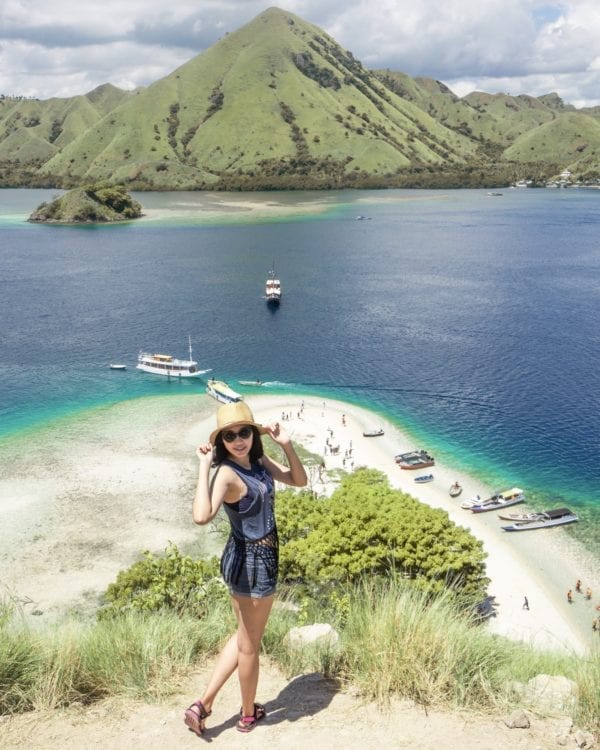
While Komodo National Park is famed for its underwater wonders, the islands themselves offer an array of terrestrial attractions. The rugged landscapes of Komodo, Rinca, and Padar boast a stark beauty, with rolling hills, savannas, and dense forests. Hiking trails provide remarkable views of the archipelago, particularly the famed Padar Island viewpoint, which offers panoramic vistas that captivate photographers and nature lovers alike.
On land, the iconic Komodo dragon reigns supreme. Guided tours on Komodo and Rinca allow visitors to observe these formidable creatures in their natural habitat. These excursions provide insights into the behavior and biology of the world’s largest lizards, adding a unique terrestrial dimension to the Komodo experience.
The islands’ communities also offer cultural encounters, with villages such as Kampung Komodo showcasing traditional lifestyles and crafts. Visitors can explore local markets, sample regional cuisine, and engage with the warm and welcoming people who call this extraordinary place home.
FAQs
Q? What makes Cannibal Rock unique for divers? A: Cannibal Rock is celebrated for its exceptional macro life, featuring rare species like pygmy seahorses and lively nudibranchs, set against colorful coral backdrops.
Q? When is the best time to dive in Komodo? A: The optimal diving season is during the dry months from April to November for clear visibility. December to February is ideal for manta ray sightings due to plankton-rich waters.
Q? How do I reach Komodo National Park? A: Travelers fly into Komodo Airport (LBJ) in Labuan Bajo from Denpasar, Bali or Jakarta. From there, various charter, liveaboard, and day trip options are available to explore the park.
For wider arrangements, our partner komodoboatcharter can coordinate end to end.
See also: Castle Rock & Crystal Rock: Diving North Komodo’s Current-Swept Pinnacles, Manta Point & Manta Alley: Komodo’s Two Best Manta Dive Sites Explained · Home.