On this page
Discover the dynamic diving experience at Castle Rock and Crystal Rock in North Komodo, where strong currents sweep through thriving pinnacles teeming with pelagic life. This adventure is a must for experienced divers seeking encounters with eagle rays, white-tip sharks, and lively marine biodiversity within the protected waters of Komodo National Park.
Exploring Castle Rock and Crystal Rock
Castle Rock and Crystal Rock are two of the most renowned dive sites in North Komodo, offering an exhilarating dive experience characterized by strong currents and diverse marine life. Both sites are pinnacles rising from the depths, surrounded by nutrient-rich waters that attract pelagic species. Divers can expect to encounter large schools of barracuda, trevally, and fusiliers, as well as solitary white-tip and black-tip reef sharks patrolling the area.
At Castle Rock, the top of the pinnacle is about 4-5 meters deep, making it ideal for divers to pause and observe the busy activity below. The currents, while challenging, create a thrilling underwater ride that brings divers face-to-face with the area’s dynamic ecosystem. Crystal Rock, located nearby, offers similar conditions with the added spectacle of colorful corals and the occasional appearance of dolphins and eagle rays. Both sites require a minimum of Advanced Open Water certification due to the demanding environment.
Diving Conditions and Seasons
Komodo National Park benefits from two distinct diving seasons. The dry season, from April to November, offers the best visibility, often exceeding 30 meters in North Komodo, with water temperatures ranging between 26-29°C. This period is ideal for exploring Castle Rock and Crystal Rock as the clearer waters enhance the visual spectacle of the marine life.
During the months of December to February, the focus shifts to the southern areas of Komodo, where nutrient-rich waters attract large manta rays. Water temperatures in these southern sites, including Manta Alley, can be cooler at 22–25°C. Despite the reduced visibility, the increase in plankton draws in mantas and other large pelagics, offering a different, but equally captivating, diving experience.
Getting to Komodo National Park
Komodo National Park is accessible via Komodo Airport (IATA: LBJ) located in Labuan Bajo on the island of Flores. Direct flights are available from Denpasar, Bali (DPS), which take approximately 1-1.5 hours, and from Jakarta (CGK), with a flight duration of around 2–2.5 hours. These flights provide straightforward access to the access point of this UNESCO World Heritage Site, positioning divers close to some of the most biologically diverse waters on the planet.
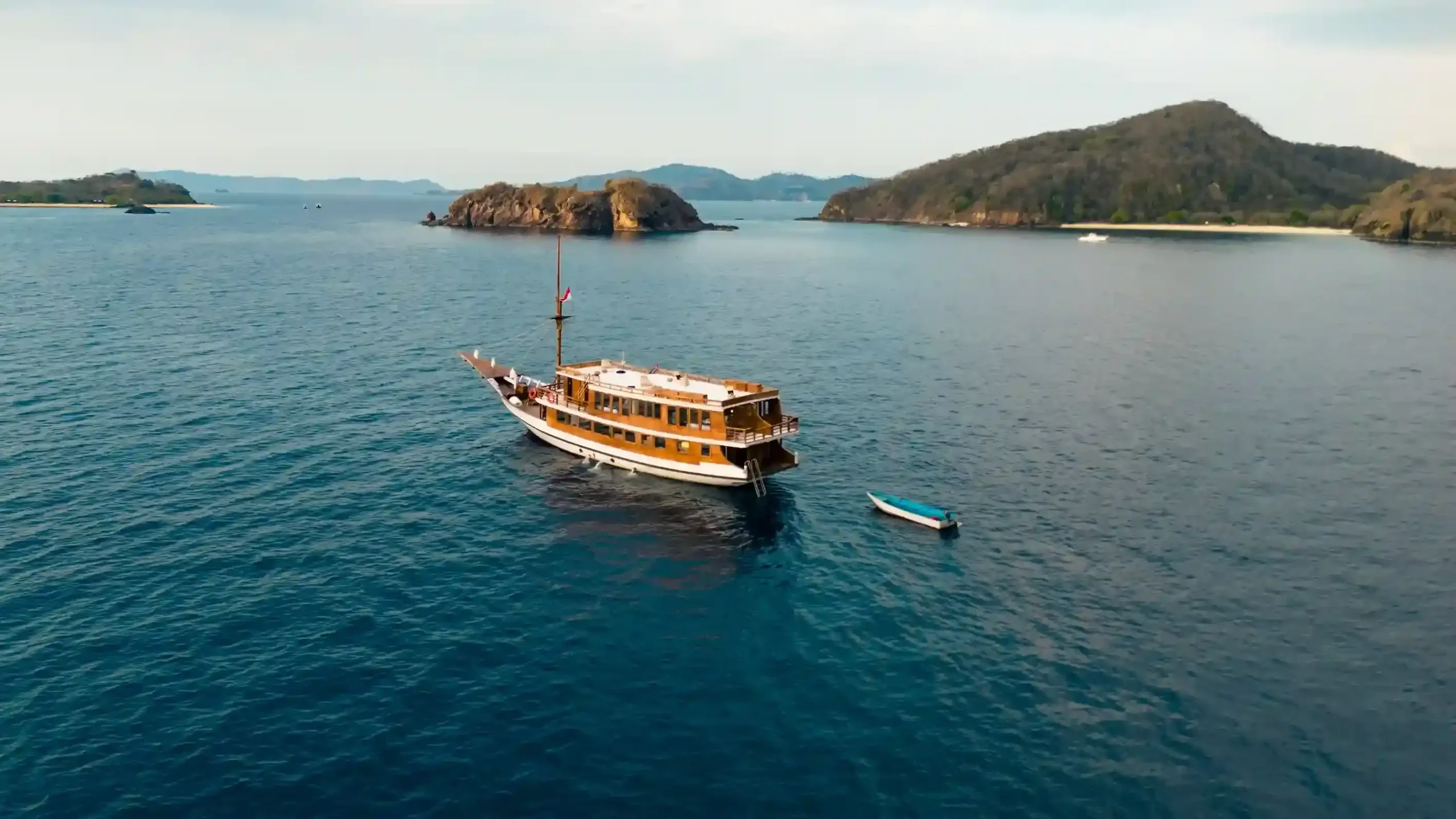
Once in Labuan Bajo, divers can join open-trip cruises, private charters, or speedboat day trips to reach the dives sites within the park. These options cater to various budgets and preferences, ensuring that the wonders of Castle Rock and Crystal Rock are within reach for those eager to explore.
Dive Options and Pricing
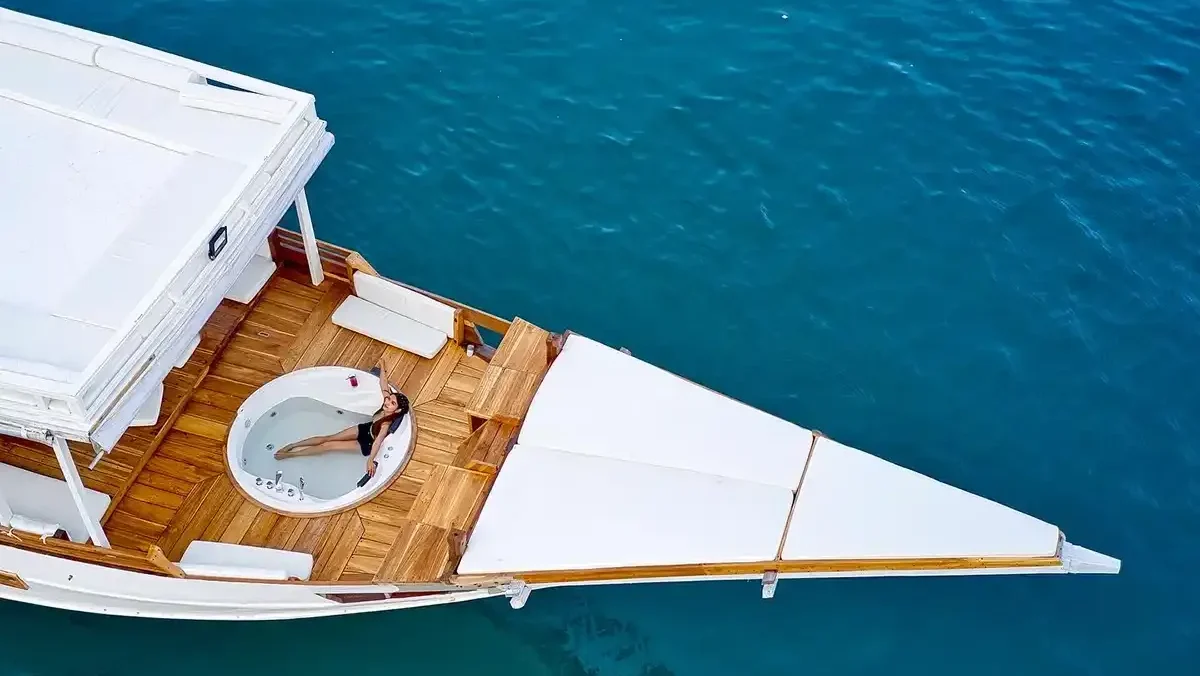
Naturalia Cruise offers a range of diving experiences to suit different needs and budgets. Private luxury phinisi charters are available for groups, priced between USD 1,800–3,500 per night for 8-12 guests. For those seeking a more exclusive experience, top-end designer vessels can be chartered for USD 4,000–7,000+ per night.
Open-trip shared cruises, typically lasting 3 days and 2 nights, are priced between USD 200–350 per person. Luxury liveaboards offer a more comprehensive dive experience, with rates ranging from USD 350–700 per person per night. For day-trippers, speedboat excursions to Castle Rock and Crystal Rock are available, costing between USD 80–150 per person.
Dive Safety and Considerations
Due to the strong currents at Castle Rock and Crystal Rock, these sites are recommended for advanced divers with experience in drift diving. Safety is a priority, and dives are conducted with the guidance of knowledgeable dive masters who are familiar with the local conditions. Divers are advised to carry a surface marker buoy (SMB) and to stay close to their group to ensure a safe and enjoyable dive.
Naturalia Cruise emphasizes environmental responsibility, encouraging divers to respect marine life and adhere to the “leave no trace” principles. By promoting sustainable diving practices, the company aims to preserve the delicate ecosystems of Komodo National Park for future generations.
Enhancing Your Komodo Diving Experience
Beyond Castle Rock and Crystal Rock, divers can explore other renowned sites within Komodo National Park. Batu Bolong offers a lively coral reef busy with marine life, while The Cauldron provides an adrenaline-pumping drift dive experience through the Gili Lawa channel. Manta Point and Manta Alley are must-visit locations for manta ray enthusiasts, with opportunities to observe these graceful creatures in their natural habitat.
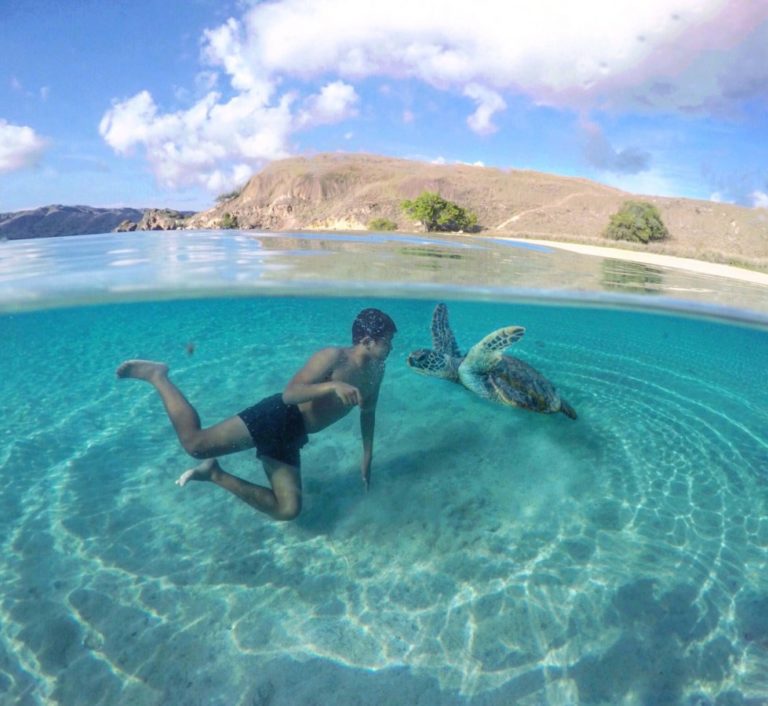
For those interested in macro photography, Cannibal Rock near Rinca is a notable trove of unique marine species, including pygmy seahorses and nudibranchs. Meanwhile, Siaba Besar offers a more tranquil setting, perfect for a check-out dive with the chance to encounter hawksbill turtles. These diverse dive sites ensure that every dive with Naturalia Cruise is a memorable and enriching experience.
Accommodations and Local Culture
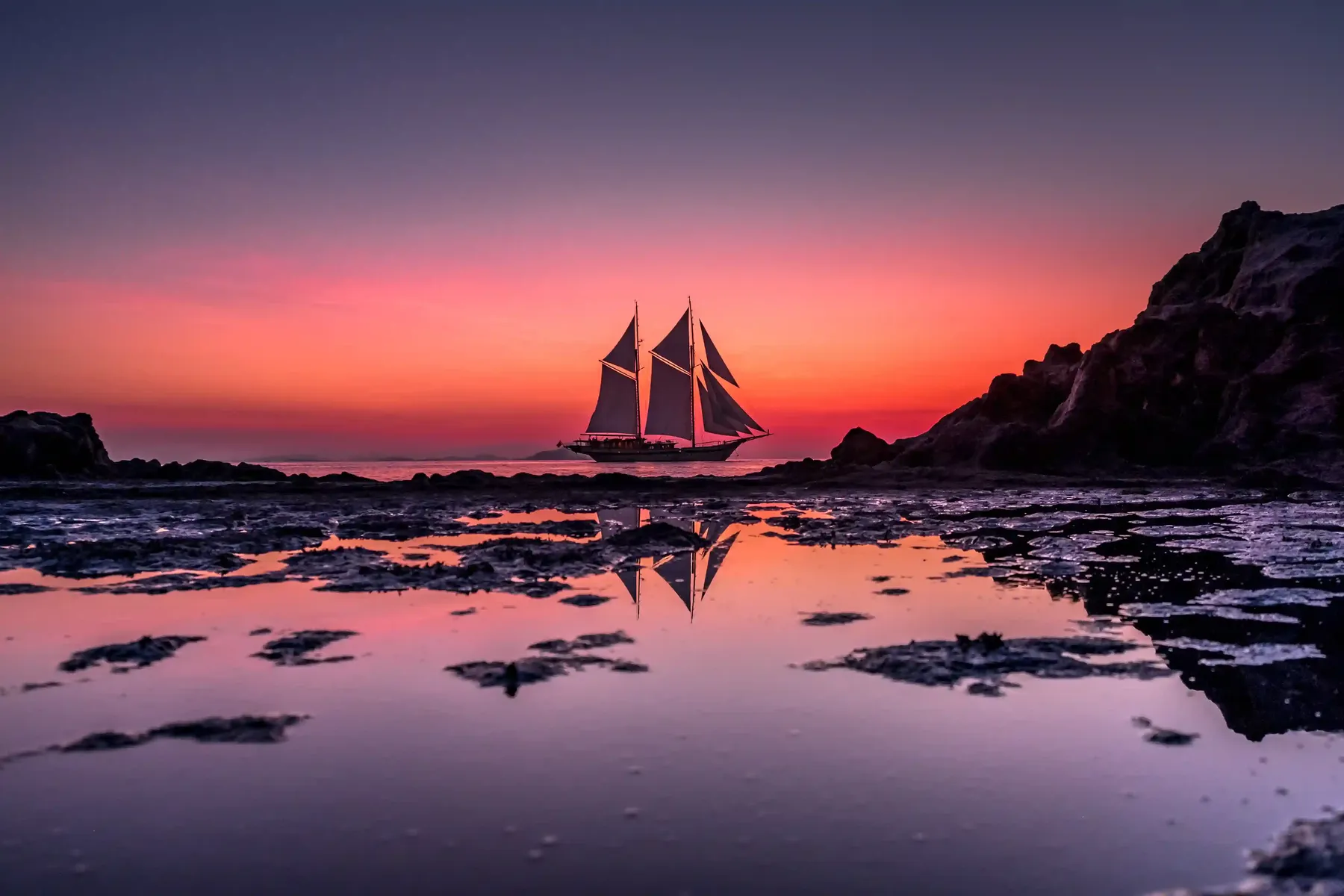
While visiting Komodo National Park, travelers can choose from a variety of accommodations in Labuan Bajo, ranging from budget hostels to luxurious beachfront resorts. For a more immersive experience, consider staying at the Plataran Komodo Beach Resort, where prices range from USD 200 to 500 per night, offering striking sunsets and close proximity to the park.
The local culture in Labuan Bajo and the surrounding areas is rich and diverse, influenced by a mix of indigenous traditions and modern influences. Visitors are encouraged to explore the local markets and enjoy traditional Indonesian cuisines such as Nasi Goreng and Satay. Participating in a cultural tour can also provide insights into the daily lives of the local people, their crafts, and their customs, enriching the overall travel experience.
FAQs
Q? What is the recommended certification level for diving at Castle Rock and Crystal Rock? A: Due to the strong currents and challenging conditions, a minimum of Advanced Open Water certification is recommended for diving at Castle Rock and Crystal Rock. Experience in drift diving is also advised to ensure a safe and enjoyable dive.
Q? When is the best time to dive in North Komodo for optimal visibility? A: The best time for diving in North Komodo with optimal visibility is during the dry season, from April to November. During this period, visibility can reach up to 30 meters, allowing divers to fully appreciate the lively marine life and striking underwater landscapes.
Q? What transportation options are available from Labuan Bajo to dive sites like Castle Rock and Crystal Rock? A: From Labuan Bajo, divers can choose from several transportation options to reach sites like Castle Rock and Crystal Rock. These include open-trip cruises, private charters, and speedboat day trips, catering to different budgets and preferences.
For wider arrangements, our partner komodoboatcharter can coordinate end to end.
See also: Open Trip vs Private Phinisi Charter: Which Komodo Cruise Suits You?, Batu Bolong Dive Site Guide: Komodo’s Legendary ‘Fish Soup’ Wall · Home.